Fast Oak Brook Top Remodeling Contractor Services Available
Creating Your Perfect Home: Valuable Tips for a Productive Remodeling Project
Designing a dream home is a careful process that demands thorough coordination. It starts with a well-defined concept and clearly outlined goals. Residents must consider their financial plan and schedules carefully. Choosing the right construction supplies is vital for both strength and beauty. Moreover, hiring dependable contractors can significantly impact the project's success. However, even the most thorough preparations can encounter obstacles. Knowing how to navigate these challenges is fundamental for reaching the expected goal.
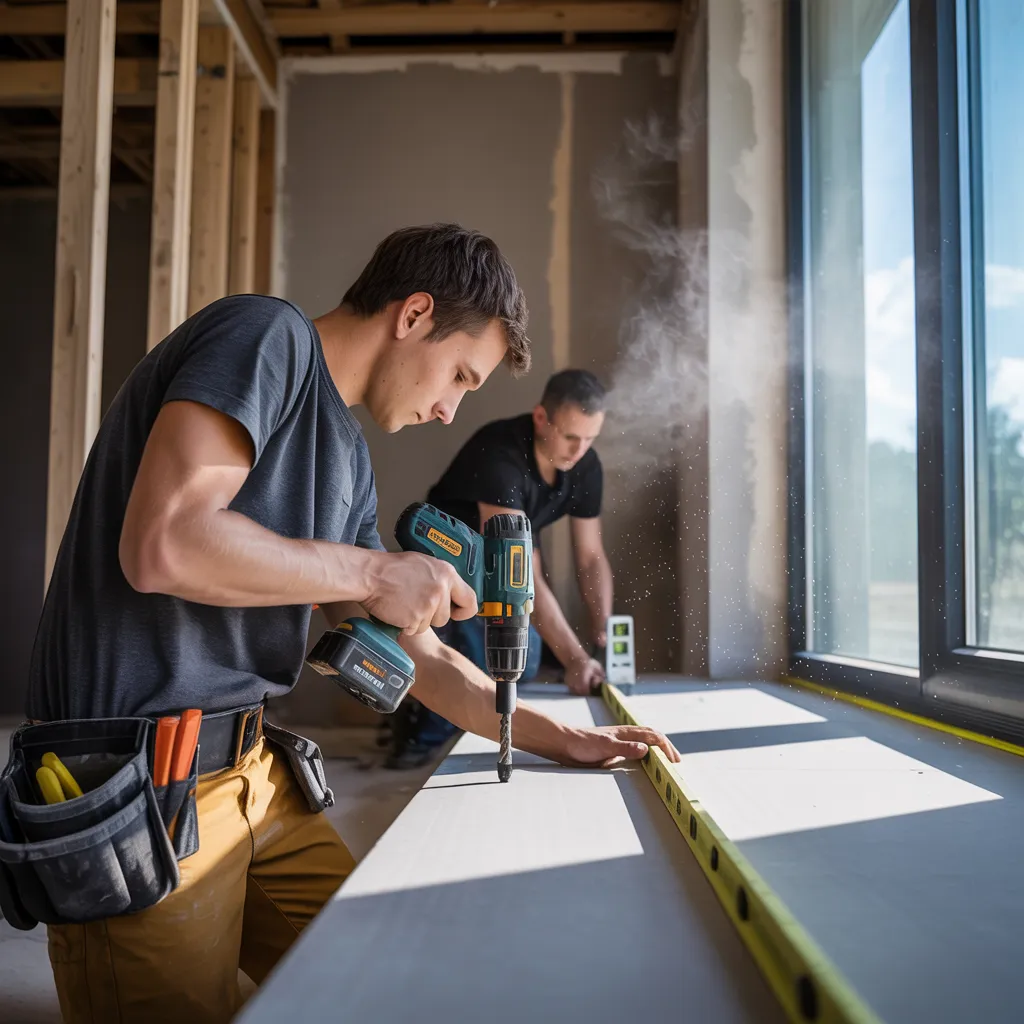
Establish Your Vision and Objectives for Your Remodel
Defining a clear vision and objectives for a home renovation is fundamental for achieving the desired results, as it lays the groundwork for all future decisions. A precise vision helps homeowners articulate what they hope to achieve from the remodeling project, whether it's upgrading functionality, elevating the overall look, or increasing property value. Targets should be specific, measurable, achievable, relevant, and time-bound (SMART), facilitating a systematic method to the renovation process.
Homeowners must think about their lifestyle needs and preferences, as well as the architectural style of the home. Participating in creative brainstorming, collecting inspiration from interior design magazines and websites, and talking through concepts with family members can help develop and clarify this vision. Prioritizing aspects such as space utilization, energy efficiency, and sustainability can also guide the overall remodeling aims. Above all, a thoroughly developed vision steers the picking of materials, spatial arrangements, and design details, producing a unified and rewarding end product.
Define a Sensible Budget for Your Remodeling Project
Creating a sensible spending plan is important for any remodeling project. This begins with a thorough evaluation of your financial circumstances, making sure that money are sufficient to support anticipated changes. Prioritizing essential renovations helps distribute resources wisely, connecting goals with available resources.
Review Your Financial Situation
Before starting the journey of remodeling a dream home, it is essential to review one's financial circumstances to ensure a realistic budget is set. This procedure involves assessing existing income, savings, and potential financing solutions. Homeowners should plan for possible unforeseen expenses that may arise during the renovation journey, ensuring a buffer is included in the budget. Evaluating bids from contractors can offer better insight into projected expenditures. Additionally, distinguishing needs from wants will help in making informed decisions about what can be realistically achieved within the budget limitations. By thoroughly reviewing these elements, residents can create a budget that matches their goals while sustaining monetary health throughout the home improvement endeavor.
Emphasize Critical Renovations
As homeowners begin the journey of remodeling their dream home, prioritizing key renovations becomes essential for developing a reasonable budget. Pinpointing which sections demand prompt focus helps distribute resources efficiently. To illustrate, concentrating on foundational repairs or critical systems such as plumbing and electrical guarantees safety and functionality. Furthermore, homeowners should look into visual enhancements that increase value, such as bathroom and kitchen renovations.
Developing a priority list enables thoughtful decision-making, reducing the risk of wasting money on unnecessary features. Through assessing the potential return on investment for every renovation, homeowners are able to make smart decisions that align with their vision while staying financially responsible. Ultimately, a comprehensive priority list sets the stage for a successful and cost-effective remodeling endeavor.
Selecting Durable and Aesthetic Materials for Your Remodel
How can one balance durability with aesthetic appeal when choosing materials for a renovation? This challenge requires careful consideration of both functionality and design. Superior materials like porcelain tiles and quartz countertops provide exceptional durability while elevating aesthetic appeal. For flooring selections, hardwood or engineered wood delivers lasting durability and elegance, making them highly sought-after choices.
Moreover, including sustainable materials, including recycled glass and bamboo, can heighten aesthetic qualities while fostering environmental awareness. Both color and texture serve vital functions; selecting finishes that complement the overall design theme can achieve a well-balanced aesthetic without compromising assessment durability.
Furthermore, accounting for the unique needs of every space is crucial. To illustrate, waterproof materials are needed in wet areas and cooking spaces, while main living spaces may emphasize coziness and comfort. When all is said and done, a well-considered combination of long-lasting and beautiful materials promises a makeover that withstands the passage of time and showcases individual style.
How to Find Trustworthy Contractors
Finding reputable contractors is crucial for a smooth home project. Homeowners ought to carry out detailed research on potential candidates, ensuring they verify all necessary credentials and licenses. Furthermore, evaluating past project experience can offer meaningful information into the contractor's trustworthiness and caliber of work.
Look Into Potential Contractors
When beginning the journey to construct a dream home, finding the right contractor is a crucial step that can considerably impact the success of the project. Evaluating prospective contractors involves multiple essential steps. Initially, homeowners should gather recommendations from trusted friends, family members, or online reviews to build a list of potential candidates. Following that, visiting completed projects can provide insights into a contractor's skills and professionalism. It is also helpful to conduct interviews, asking about experience, project timelines, and communication styles. In addition, gathering several estimates allows for a clearer picture of market rates and services offered. By diligently vetting potential contractors, homeowners can guarantee they choose a professional who understands their needs and can deliver quality results.
Check Credentials And Licenses
Once you have narrowed down prospective contractors, confirming their credentials and licenses is a critical next step in establishing a reliable working relationship. Property owners should verify that each contractor maintains the necessary state and local licenses required for their specific trade. These licenses often indicate a minimum level of competency and adherence to industry standards. Moreover, validating proper insurance coverage is equally important; contractors are expected to maintain liability insurance to cover potential damages and workers' compensation to address job-related injuries. Homeowners are also encouraged to contact local governing bodies or digital databases to authenticate the legitimacy of these qualifications. A contractor's reputation can be further assessed through reviews and ratings, reinforcing the importance of thorough vetting before making a final decision.
Explore Past Project History
A comprehensive review of a contractor's previous work history can greatly influence a homeowner's selection process. Examining finished work allows homeowners to evaluate the craftsmanship, approach, and range of a contractor's work. This evaluation can include touring former work locations, reviewing project photos, and considering past client reviews. Homeowners should ask about relevant work aligned with their goals and ask for references to better understand the contractor's dependability and expertise. A track record of producing excellent outcomes is fundamental, as it indicates the contractor's skill in satisfying requirements. Furthermore, understanding the timeline and budget adherence of past projects can provide valuable context for future collaborations. By carefully vetting past work, homeowners can reach well-considered decisions when choosing reliable professionals.
Developing a Project Timeline: Essential Steps
Defining a precise project timeline is crucial for anyone embarking on the journey of creating their ideal home. A well-structured timeline helps guarantee that all aspects of the renovation process are carried out effectively. To begin, homeowners should establish their project aims and determine a budget. This provides the groundwork for a achievable timeline.
After this, they should divide the work into well-defined steps, such as construction, design, and permitting, designating estimated durations to each stage. It is essential to coordinate with relevant contractors to integrate their insights, as they can provide information regarding potential delays and resource availability.
Defining checkpoints throughout the project allows for tracking progress and adjusting timelines as needed. Furthermore, homeowners should account for possible overlaps between phases to maximize efficiency. By adhering to these essential guidelines, property owners can establish a detailed plan that directs them toward a triumphant remodeling journey.
Navigating Common Remodeling Difficulties
Many homeowners encounter setbacks throughout the renovation process, causing disruptions to timelines and budgets. Frequent problems involve unexpected structural problems, supply chain delays, and poor communication with contractors. Such obstacles often result in frustration and higher expenses.
To mitigate these setbacks, homeowners should commit to comprehensive planning. Carrying out a comprehensive assessment before the project begins can detect complications before they arise. Building strong communication with contractors is also vital; routine updates can help resolve issues quickly.
Flexibility is vital when managing delays. Property owners should factor in extra time within their timelines to account for unexpected situations. Moreover, having a financial buffer can ease financial strain when unforeseen expenditures occur.
How to Make Your Remodel Eco-Friendly
Challenges encountered during renovation frequently lead homeowners to rethink their strategy, such as how to incorporate sustainable practices. By prioritizing sustainable materials, homeowners can markedly reduce their project's environmental impact. This includes using reclaimed wood, bamboo, or recycled metal, which not only reduces waste but also adds character to the home.
Energy-efficient appliances and fixtures are essential; choosing ENERGY STAR-rated products can reduce utility costs and carbon footprints. Introducing natural illumination through thoughtfully situated windows or skylights boosts energy efficiency while fostering a more appealing ambiance.
Water efficiency can be achieved by incorporating water-saving faucets and two-flush toilet systems. Moreover, including proper insulation and thermally efficient windows will enhance general comfort and energy performance.
In conclusion, partnering with contractors specializing in sustainable practices ensures that eco-friendly methods are embedded naturally throughout the remodeling process. This comprehensive approach not only benefits the environment but also creates a safer living space.
Commonly Asked Questions
How Do I Determine Which Areas to Renovate First?
To prioritize remodeling areas, homeowners should consider functionality, safety, and budget. Key spaces like kitchens and bathrooms frequently provide the greatest investment returns. Additionally, consider personal lifestyle needs and potential impact on overall home value.
Which Permits Do I Need for My Remodeling Project?
For any remodeling endeavor, necessary permits typically include electrical, plumbing, building, and zoning permits. Since local regulations differ, reaching out to the local building department guarantees compliance and helps avoid potential legal issues during construction.
What Steps Can I Take to Ensure My Renovation Adds Home Value?
To guarantee a renovation boosts property value, homeowners should concentrate on high-demand renovations such as kitchen and bathroom updates, boost the home's curb appeal, choose quality materials, and explore eco-friendly upgrades that are desirable to prospective buyers.
What Should I Do if I Change My Mind During the Process?
When a change of mind happens throughout the remodeling process, the property owner ought to communicate quickly with the contractors involved, examine the effects on budget and timeline, and assess whether modifications align with the broader objectives before proceeding with modifications.
How Can I Manage Stress During My Home Remodeling?
To handle stress throughout a home renovation, one should stay in consistent contact with contractors, set realistic expectations, develop a structured and transparent schedule, take breaks when needed, and concentrate on the finished result to help reduce anxiety.